

Retatrutide is a next-generation synthetic triple receptor agonist peptide investigated for its simultaneous activity at GLP-1 (glucagon-like peptide-1), GIP (glucose-dependent insulinotropic polypeptide), and glucagon receptors. It represents the most advanced tier of metabolic research peptides currently available, and is the subject of active Phase 2 and Phase 3 clinical trials examining obesity and metabolic health outcomes.
What Is Retatrutide?
Where first-generation GLP-1 agonists (semaglutide) target a single receptor, and dual agonists (tirzepatide) target two, retatrutide simultaneously engages three separate metabolic receptor pathways. This triple-agonist mechanism is what distinguishes it from all preceding peptides in this class and is the basis for the significant research interest it has generated since its Phase 2 data release in 2023.
Retatrutide was developed by Eli Lilly and Company as LY3437943. Phase 2 trial results published in the New England Journal of Medicine (2023) reported mean weight reduction of up to 24.2% over 48 weeks in obese participants — exceeding outcomes observed with tirzepatide (Mounjaro) and semaglutide (Ozempic) in comparable timeframes.
Retatrutide Research Background
GLP-1 receptor activity: GLP-1 agonism promotes insulin secretion in a glucose-dependent manner, reduces glucagon secretion, slows gastric emptying, and exerts appetite-suppressing effects via CNS pathways. This mechanism is shared with semaglutide and tirzepatide.
GIP receptor activity: GIP receptor agonism enhances insulin secretion and is believed to potentiate GLP-1 effects, contributing to improved glycaemic control and additional fat mass reduction beyond GLP-1 activity alone.
Glucagon receptor activity: The addition of glucagon receptor agonism is what separates retatrutide from all prior compounds in this class. Glucagon receptor activation increases energy expenditure, promotes hepatic fat oxidation, and has been associated with favourable effects on liver fat content in preclinical and early clinical data. This third mechanism is believed to contribute significantly to the more pronounced metabolic outcomes observed in retatrutide trials versus dual agonists.
All published clinical data relates to pharmaceutical-grade retatrutide administered under clinical trial conditions. Research-grade retatrutide supplied by VITALITY CARTEL is intended solely for laboratory and preclinical research use.
Phase 2 Clinical Trial Data
The landmark Phase 2 NEJM publication (Jastreboff et al., 2023) examined retatrutide in 338 adults with obesity over 48 weeks:
- 24.2% mean body weight reduction at the highest dose (12mg weekly)
- Dose-dependent response observed across 1mg, 4mg, 8mg, and 12mg cohorts
- Favourable safety profile consistent with GLP-1/GIP class effects
Phase 3 trials (TRIUMPH programme) are currently ongoing. Retatrutide does not have regulatory approval in Australia as a therapeutic good.
Reconstitution Guidelines (Research Use)
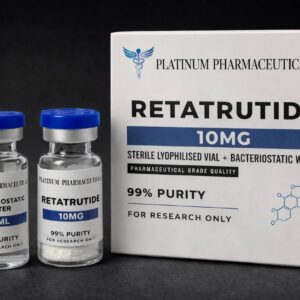
Retatrutide is supplied as lyophilised powder. Reconstitute with bacteriostatic water.
Recommended concentration: 2mg/ml (standard for research protocols).
Peptide Reconstitution Calculator
Storage
- Lyophilised powder: 2–8°C refrigerated, protected from light
- Reconstituted solution: 2–8°C, use within 28 days
- Long-term unreconstituted storage: -20°C
- Avoid repeated freeze-thaw cycles
Supplied at 99%+ purity, third-party HPLC verified. CoA available on request. Available in 5mg and 10mg vials. Also available as a 2-for-$249 research bundle.
Retatrutide is not approved by the TGA as a therapeutic good in Australia.

Reviews
There are no reviews yet.